Saturday, October 5, 2013
Site Under Construction
This site is being worked on. For more fabulous recipes and chef tips, please come back October 18th. Thanks - Hannah Marie

Friday, September 20, 2013
Breads, Rolls, and part 2
This
week I’ll let you in on another secret… Variations. Variations are the best kept secret of the
cook book selling world. Variations on a
recipe are easy; basically, you sub out or add an ingredient in order to create
a different flavor or style. Sometimes
you manipulate the amount of one ingredient or another in order to increase
fluffiness or texture. This is easy
stuff, once we understand the basics. But
chefs and publishers make an awful lot of monies off of selling cookbooks to all
us poor innocents. And many of these
cookbooks, ought to be titled: 101 Variations
of Recipe A. For example, every
bread recipe starts out with the basic ingredients and ratios, these are then
altered for slightly different results… Instead of buying a $25 book of bread
recipes, I’ll just give ‘em to ya’ll for free, because, really, themed recipe
books are like reading the same mad lib over and over again, but with different
nouns subbed in. Exciting at first, but
<insert adjective here> after <insert number here> times!
All
these variations use the basic recipe from last week’s post and simply change a
few measurements, and or add in another ingredient or two.
Basic Recipe:
1
tablespoon of yeast
1 tablespoon of sugar
½
teaspoon of salt
1
cup of warm* water
2-3
cups of flour.
1 Tablespoon of
oil-for greasing to bowl
Variation
1: The Best-est home baked bread and dinner rolls in the world:
1
c. luke warm milk (instead of water)
1/2 c. butter chopped up into small cubes
1
tablespoon of yeast
2
tablespoons of sugar
1 teaspoon of salt
2
eggs
2-3
cups of flour
1
Tablespoon of oil-for greasing the bowl
Boom,
that’s it, follow the basic recipe instructions, add the butter and eggs when
you add the salt. The milk, butter and
eggs simply add moisture and richness. I
also upped the salt and sugar ratios, this is simply a personal preference to
increase flavor.
For
crescent rolls, split the dough in half after it has risen twice, and then roll
out each section in a circle at least 1/3 inch thick, then BUTTER it! and cut
in half 4 ways (cut into 8 triangles) and
roll them up into crescents, place on a greased cookie sheet, butter the
tops of the rolls, let them rise for about 15 minutes, and bake at 350 until
the tops of the rolls are a LIGHT golden brown, about 20 minutes. When you take them out butter them again
(because butter makes everything better!) and enjoy!
Variation
2: Pizza dough
basic recipe + ½ teaspoon of garlic powder and 1 teaspoon of olive oil, for a bit of an Italian flavor. Add the extra ingredients in with the salt. NOTE: Pizza dough only needs to rise once (unlike all other breads) and then you can knead it, roll it out, and decorate it with sauce, cheese and toppings. Also, you should always cook pizza at a temperature of at least 425 degrees Fahrenheit (I prefer 450) until the cheese gets super bubbly and starts to brown just a bit. Tip: for extra crispy crust, invest in a pizza stone (a round stone you cook the pizza on instead of a tray) and pre-heat the stone with the oven.
basic recipe + ½ teaspoon of garlic powder and 1 teaspoon of olive oil, for a bit of an Italian flavor. Add the extra ingredients in with the salt. NOTE: Pizza dough only needs to rise once (unlike all other breads) and then you can knead it, roll it out, and decorate it with sauce, cheese and toppings. Also, you should always cook pizza at a temperature of at least 425 degrees Fahrenheit (I prefer 450) until the cheese gets super bubbly and starts to brown just a bit. Tip: for extra crispy crust, invest in a pizza stone (a round stone you cook the pizza on instead of a tray) and pre-heat the stone with the oven.
Variation
3: Challah Bread (Jewish Sabbath Bread) and Cinnamon Rolls: Basic Recipe +1/3
cup sugar.
For Challah Bread: let knead and rise like basic recipe but when it comes time to bake, split into 3 sections, roll them into long, fat noodle shapes, pinch the ends together and braid on a greased cookie sheet, butter it, then bake as normal, for about 30 minutes, or until the top of the loaf is golden brown.
For cinnamon rolls: make as normal, until it comes time to bake, then roll into a long rectangle shape, butter, sprinkle generously with brown sugar and cinnamon and then roll up (lengthwise, so that you have one long roll.) Then cut into 2-3 inch slices, and place slices on a greased cookie sheet, squish slightly, cover with plastic wrap and let them rise (yes, again!) for ½ an hour before baking at 350 for about 25-35 minutes, until they are golden brown, and the brown sugar starts to bubble.
Variation 4: Soft Pretzels
Basic Recipe, only let the dough rise once, then split into 6 pieces and roll each piece into a long dough rope (between 12 and 15 inches) then fold them into pretzel shapes on a cookie sheet, beat 1 egg and brush it onto your pretzels and then sprinkle generously with salt. Cover with plastic wrap for 15 minutes and let rise while you preheat the oven to 375. Bake until the tops of the pretzels are light brown. Remove and enjoy!
For Challah Bread: let knead and rise like basic recipe but when it comes time to bake, split into 3 sections, roll them into long, fat noodle shapes, pinch the ends together and braid on a greased cookie sheet, butter it, then bake as normal, for about 30 minutes, or until the top of the loaf is golden brown.
For cinnamon rolls: make as normal, until it comes time to bake, then roll into a long rectangle shape, butter, sprinkle generously with brown sugar and cinnamon and then roll up (lengthwise, so that you have one long roll.) Then cut into 2-3 inch slices, and place slices on a greased cookie sheet, squish slightly, cover with plastic wrap and let them rise (yes, again!) for ½ an hour before baking at 350 for about 25-35 minutes, until they are golden brown, and the brown sugar starts to bubble.
Variation 4: Soft Pretzels
Basic Recipe, only let the dough rise once, then split into 6 pieces and roll each piece into a long dough rope (between 12 and 15 inches) then fold them into pretzel shapes on a cookie sheet, beat 1 egg and brush it onto your pretzels and then sprinkle generously with salt. Cover with plastic wrap for 15 minutes and let rise while you preheat the oven to 375. Bake until the tops of the pretzels are light brown. Remove and enjoy!
Friday, September 13, 2013
Breads, Rolls, and the only recipe you will ever need!
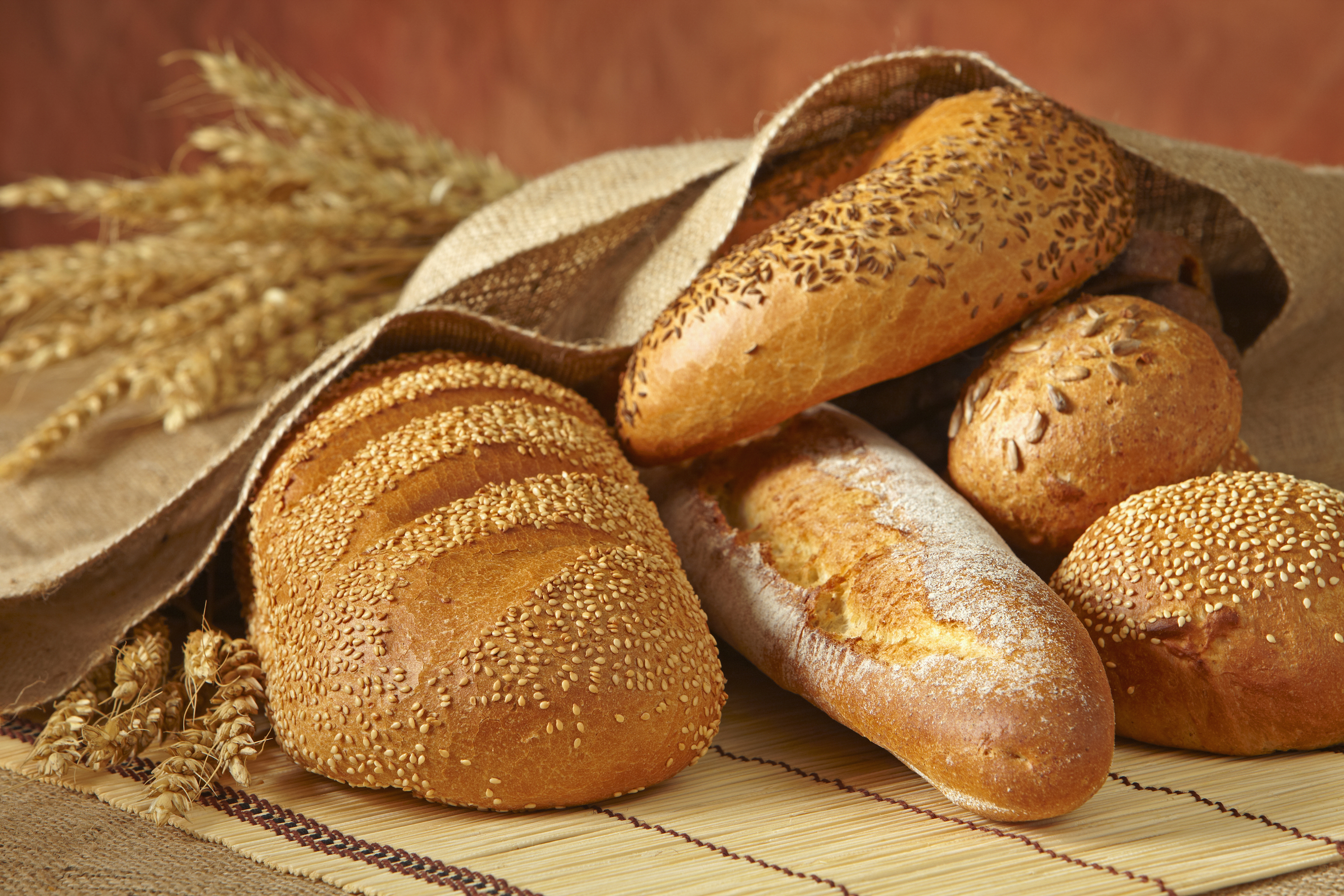
Fluffy,
fragrant, fabulous, homemade bread, who doesn't crave it? The Holy Grail of homemaker-hood. The mother loaf, the surprisingly difficult,
inconstant, backstabbing loaf of bread. …
wait, what?
If
you are like most homemakers I know, you can make a pretty good loaf of bread,
but have you ever make one that totally flopped? I have. So, I’m going to teach you 3 very important things I have learned in my quest for the ever-constant, beautifully delicious, loaf of bread. First, the golden ratio of bread, and instructions on how to make it (in this
post) second, the science behind the fluff (come back next Friday) and third, variations on this recipe that will adapt it to EVERY bread-needy occasion (also next Friday.)
Secret number
1: bread is a ratio game of six basic ingredients.
Yeast,
sugar, salt, water, flour and time.
Yep,
that’s it folks. The secret to great
bread dough is combining these ingredients in the right order and at the right
ratios, then, add and/or sub in and out other ingredients for specific flavors
or textures. I would say it’s easy as
pie, but… this is actually easier. Important: I add time as the sixth basic ingredient because, while it is possible to concoct an edible loaf in under an hour (I've done it many a time) it is NEVER as delicious as bread that has risen and been kneaded and risen and been kneaded several times before finally being placed in the pan, allowed to rise again, and baked. The silver lining? Most of the prep time associated with baking bread is free time, when the dough is just doin' its thing for hours on end... so you can go do your thing... like clean the house, make that new Pinterest craft or, in my case, catch up on that last episode of Once Upon a Time. ... We all have our weaknesses... mine is named Captain Hook...
I
calculate my ratios based on how much bread I need, and I use the water as my
calculation starting point. Tip: 1 cup
of water = 1 loaf of bread, 1 pizza crust, or 12 medium sized rolls.
Now,
on to the ratios: 1 tsp. yeast and 1 tsp. sugar to every cup of water. ½ tsp salt to every cup of water, and 2-3
cups of flour to every cup of water.
Basic
recipe: 1 loaf of bread or one large pizza crust or one tray of rolls:
1
teaspoon of yeast
1
teaspoon of sugar
½
teaspoon of salt
1
cup of warm* water
2-3
cups of flour.
1
Tablespoon of oil-for greasing to bowl
*tip:
Warm water should NOT be hot or it will kill the yeast, which is a living
organism. To make sure your water is the
perfect temperature, dip the inside of your wrist (where you spray perfume)
into the water, the water should NOT feel cold OR hot, rather it should be the
same temperature, or just slightly
warmer. Incidentally, this is also a
great way to test baby food temperature.
Directions:
In medium sized bowl, or stand-alone mixer with a bread hook, combine yeast,
salt and sugar.
Add
warm water (see tip above for testing water temperature) and stir until yeast
is dissolved, the water will look tan and milky. Let the mixture rest for about 8 minutes,
until the yeast gets foamy on top.
Then,
add two cups of flour, and mix until it forms a sticky dough. If you have a
stand-alone mixer, continue to mix the dough until the dough is completely
wrapped around the hook and is not sticking to the sides or bottom of the bowl.
If the dough is still too sticky, add more flour, a quarter cup at a time, and wait
at least 1 minute before adding more flour.

Once
your dough is thoroughly mixed, continue to mix or knead your dough for at
least 5 minutes. If you are not using a
stand-alone mixer then clear a counter space, dust with flour and dump your
sticky dough onto the counter, dust with more flour, dust your hands with
flour, dig in and knead* the dough, adding more flour in small increments,
until the dough no longer sticks to your hands, be careful not to rip or stretch the
dough, as that will keep it sticky.
Rinse
out your bowl, dry it and drizzle the oil in.
roll your dough into a ball and place in the bowl, then flip the dough
over so that the oil coats the whole dough ball. Cover the bowl with a damp dishtowel or plastic
wrap.
Let
the dough rise in a warm place until it gets super fluffy (a good place for
this is a microwave, inside an un-heated oven, or on counter top that is in the sunlight) then knead it again, squishing all the air
out of it, this is really important! And let it rise again for an hour or two,
then knead it out the final time, preheat your oven to 350 degrees Fahrenheit,
grease your bread pan/cookie sheet, etc… and then knead your dough into an oval
and put it in the bread pan, and let it RISE again for about ½ an hour (make
sure to cover in plastic wrap) before cooking. Once risen, remove plastic wrap and bake at 350 until the tops of the loaves are hard, golden and sound
hollow when you tap lightly on them.
Usually between 35 and 50 minutes.
*Kneading
the dough, means folding it gently, but firmly, over and over again. This step is VITAL to a fluffy soft bread.
TA-DA,
that’s it. Now you know. Next week, we'll talk variations, and science (I know, the chemist in you just can't wait!)
Friday, September 6, 2013
What's up with this blog?
Well
hello blogging world! My name is Hannah
Marie, my food blogging credibility stems from my obvious charm on paper (and
via computer screen) and the fact that I have been cooking up a gourmet storm
since before I could walk, helping first my mom, and then various aunts and
grandmothers. I have catered lots of
parties, and I’m in the process of opening a restaurant. This blog is directed to everyone interested in fabulous food! And without further ado… let’s
dive right in!
Subscribe to:
Comments (Atom)